
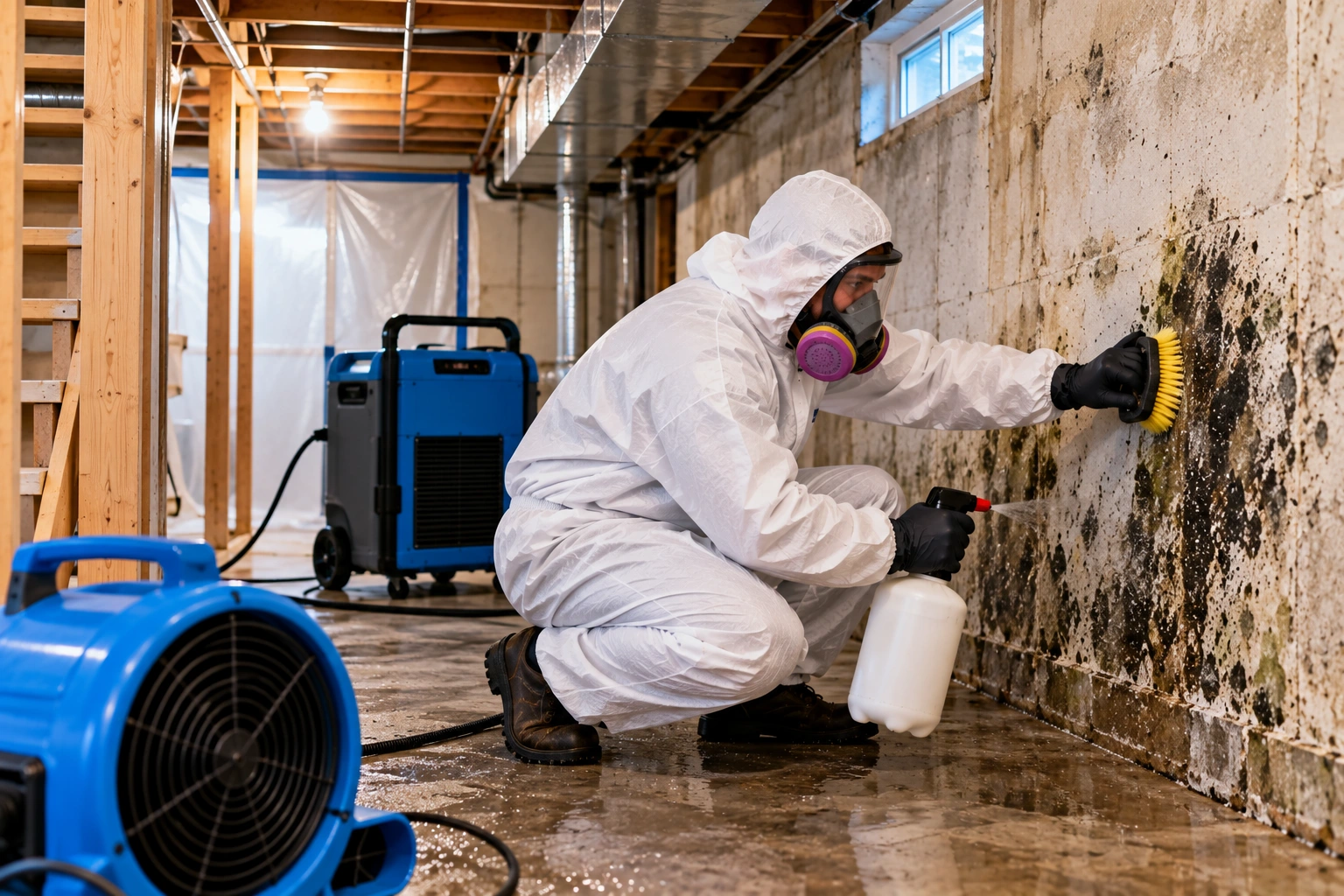
Water damage is one of the most common triggers for mold growth in Gainesville homes. Whether the source is a burst pipe, a roof leak during a summer storm, a failed water heater, or flooding from heavy rain, the clock starts ticking as soon as materials get wet. Understanding what to do in the hours and days after water damage can make a meaningful difference in whether mold becomes part of the problem.
This guide covers practical steps for Gainesville homeowners dealing with water damage and explains why acting quickly matters.
Why Speed Matters
Mold can begin to grow on wet materials within 24 to 48 hours under favorable conditions. In Gainesville's warm, humid climate, those conditions are present for much of the year. The longer materials stay wet, the greater the likelihood that mold will establish itself and the more extensive any resulting remediation work may be.
This does not mean that every water incident leads to mold. Quick response, effective drying, and appropriate follow-up can significantly reduce the risk. But it does mean that waiting several days to address water damage is likely to make the situation worse.
Immediate Steps After Water Damage
Stop the Water Source
If the water source is something you can control, such as a burst pipe or a running appliance, shut it off immediately. Know where your main water shutoff valve is located before an emergency happens. If the source is weather-related, focus on containing the water's spread as much as possible.
Document the Damage
Before you start cleaning up, take photos and video of the affected areas. Document the water level, the materials affected, and any visible damage. This documentation is important for insurance claims and for any professionals who may be brought in later to assess the situation.
Ensure Safety
Water and electricity are a dangerous combination. If standing water has reached electrical outlets, appliances, or the electrical panel, do not enter the area until power to the affected circuits has been turned off. If you are unsure whether it is safe, wait for a qualified electrician or your utility company to advise you.
Also be aware that floodwater from outside the building may carry contaminants including sewage, chemicals, and bacteria. Wear protective equipment including rubber boots, gloves, and eye protection when working in or around contaminated water.
Remove Standing Water
The sooner standing water is removed, the better. For small amounts, towels, mops, and a wet/dry vacuum may be sufficient. For larger volumes, a sump pump or professional water extraction equipment may be needed.
Every hour that water sits on flooring, drywall, or other absorbent materials increases the depth of saturation and the difficulty of drying.
The Drying Process
Removing visible water is only the first step. Materials that have absorbed water need to be dried thoroughly, and this takes more than just running a fan.
Increase Air Circulation
Open windows if outdoor conditions are drier than inside. Run ceiling fans and portable fans to keep air moving across wet surfaces. Air movement accelerates evaporation from the surface of materials.
Use Dehumidifiers
In Gainesville's humid climate, air circulation alone may not be enough to dry materials effectively. Dehumidifiers pull moisture from the air, which in turn allows wet materials to release their absorbed moisture more quickly. Commercial-grade dehumidifiers are more effective than household units for significant water damage.
Remove Wet Materials When Appropriate
Some materials absorb water readily and are difficult to dry in place. Wet carpet padding, for example, rarely dries quickly enough to prevent mold growth and is generally best removed. Drywall that has been saturated may need to be cut away below the waterline so that the wall cavity can dry.
Deciding which materials to remove and which to dry in place depends on the type of material, the extent of saturation, and how quickly drying can be accomplished. When in doubt, a water damage professional can help make these assessments.
Monitor Moisture Levels
Professional water damage restoration involves ongoing monitoring with moisture meters and other instruments. These tools measure the moisture content within materials, not just on the surface. Drying is complete when readings return to normal levels for the material type and the local climate.
Without monitoring, it is easy to assume that materials are dry because they look or feel dry on the surface while moisture remains trapped deeper in the material. This hidden moisture is exactly what leads to mold growth weeks after the visible water is gone.
What Gainesville's Climate Adds to the Challenge
Several aspects of Gainesville's environment make post-water-damage drying more challenging:
- **High outdoor humidity** means that simply opening windows may not provide the dry air needed to accelerate drying
- **Warm temperatures** are within the range that supports rapid mold growth
- **Frequent rain events** during summer can re-introduce moisture to a property that has not been fully repaired
- **Concrete slab foundations** common in the area can trap moisture beneath flooring materials
These factors make professional drying equipment and monitoring particularly valuable for Gainesville properties dealing with significant water damage.
When to Call a Professional
Not every water incident requires professional help. A small amount of water from an overflowed sink that is cleaned up and dried within a few hours may not need professional intervention. However, professional help is appropriate when:
- The water affected a large area or multiple rooms
- Water sat for more than 24 hours before cleanup began
- The water source was contaminated, such as sewage backup or floodwater
- Materials are saturated and cannot be dried with household equipment
- There is water in concealed spaces like wall cavities, under flooring, or in the ceiling
- You notice a musty smell developing during or after cleanup
- You are unsure whether materials have dried adequately
A water damage professional can bring commercial-grade extraction and drying equipment, monitor moisture levels throughout the drying process, and help determine whether any materials need to be removed to prevent mold growth.
Documenting Water Damage
Keep dated photographs, notes about the water source, and records of repairs or drying work. Ask your insurer about your specific policy and claim requirements; this article does not determine coverage.
Key Takeaways
- Prompt drying helps reduce conditions that support mold growth; timing varies with the materials and conditions
- Remove standing water as soon as possible and begin the drying process immediately
- In Gainesville's humid climate, dehumidifiers and professional drying equipment are often more effective than air circulation alone
- Monitor moisture levels within materials to confirm that drying is complete, not just surface-dry
- Document damage for insurance purposes and contact your carrier promptly
- Professional help is appropriate for significant water events, contaminated water, or situations where adequate drying cannot be achieved quickly
If your Gainesville property has experienced water damage and you want to understand your options for drying, restoration, and mold prevention, call MoldRemoverr at (352) 640-7314 to talk through your situation.
For factual context, read EPA mold cleanup guidance and CDC mold information. MoldRemoverr is an independent referral website; confirm provider coverage, credentials, scope, fees, and availability directly.